WHY GOA
Why ManavNama
Finds Its Place in Goa
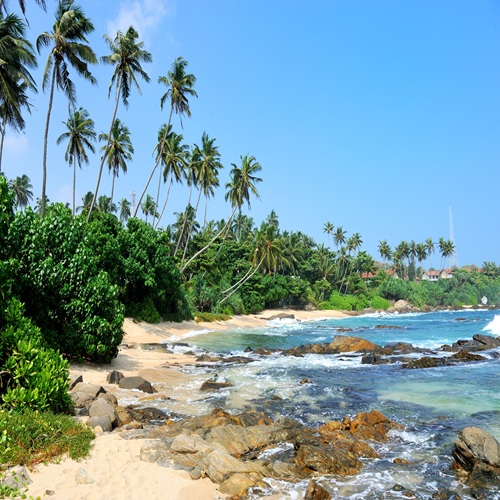
Goa is not merely a location; it is a lived disposition. For centuries, it has absorbed differences without erasing them — belief and doubt, faith and inquiry, solitude and celebration — allowing contradictions to coexist without constant resolution.
This land has known trade winds and monsoons, empires and departures, devotion and dissent. Yet its cultural rhythm has remained unhurried, resistant to excess urgency. Thought here has historically moved alongside nature, not against it.
ManavNama belongs in such a setting. The inquiry it invites — into attention, restraint, dignity, and responsibility — requires a space where the mind can slow without withdrawing, where reflection is not treated as escape but as necessary grounding.
Goa offers this rare balance: intellectual openness without aggression, silence without isolation, and beauty without demand. Here, the human question can be approached without spectacle, performance, or pressure to conclude.
A culture that allows thought to breathe
Natural rhythms that recalibrate attention
Historical coexistence of differences
Space without constant cognitive demand
Silence that is culturally familiar, not imposed
An environment hospitable to inner inquiry
Distance from performative urgency
A setting where being precedes becoming